Did you know this about felt?
Felt for furniture glides – different materials and properties
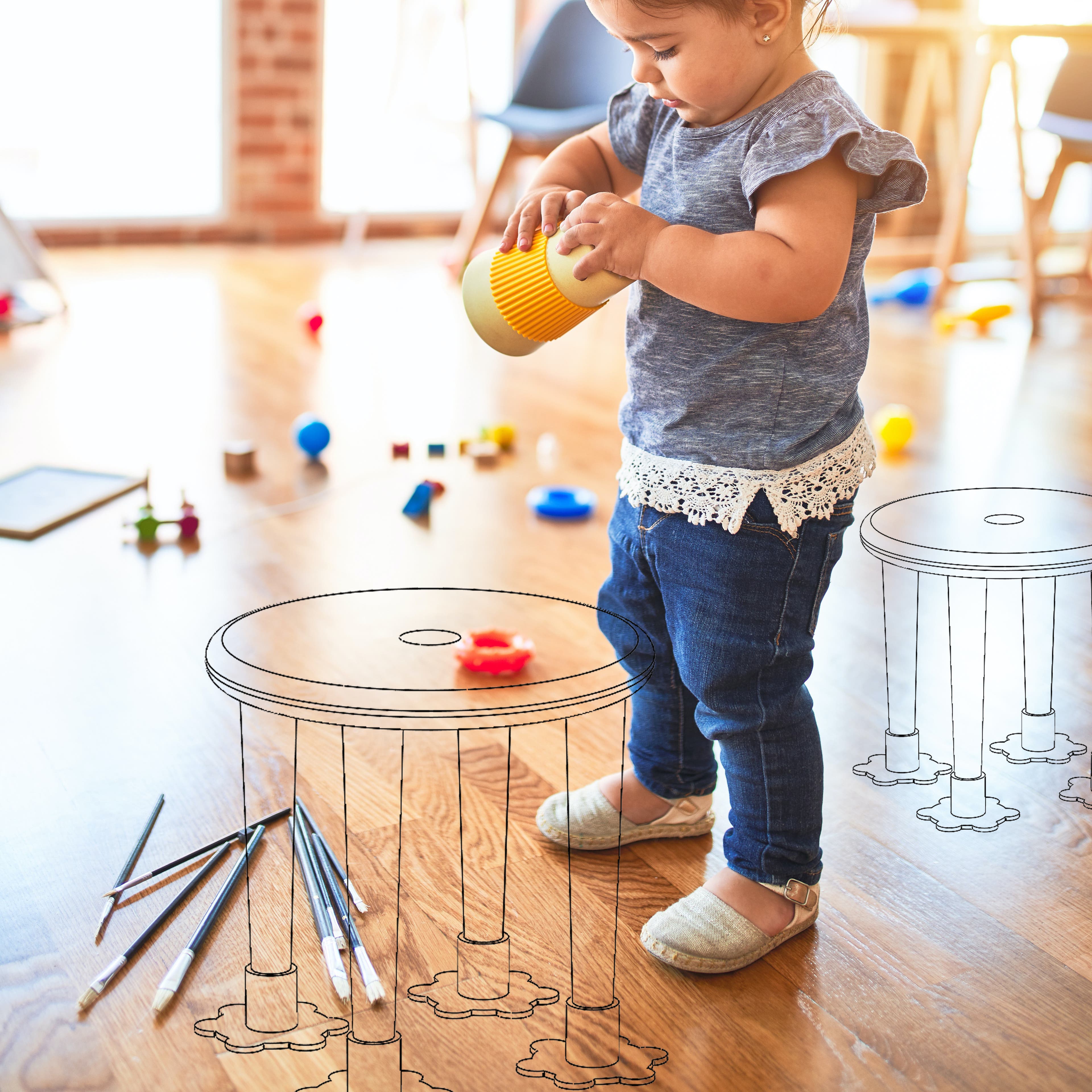
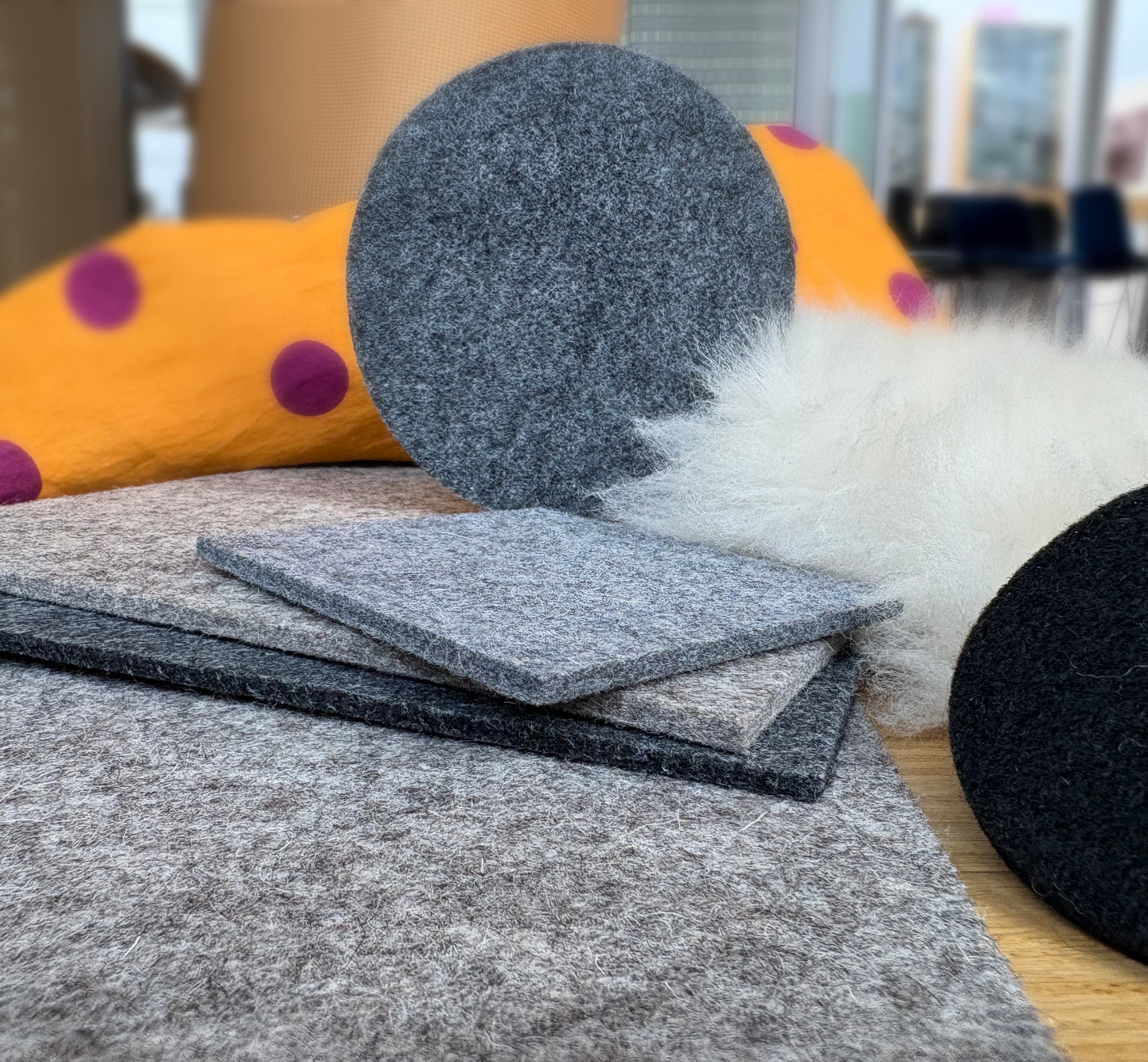
Felt on furniture glides protects floors, reduces noise and allows furniture move smoothly without damaging the surface. Here, we tell you more about wool felt and synthetic felts, and how these materials differ.
Our choice of felt materials for furniture glides
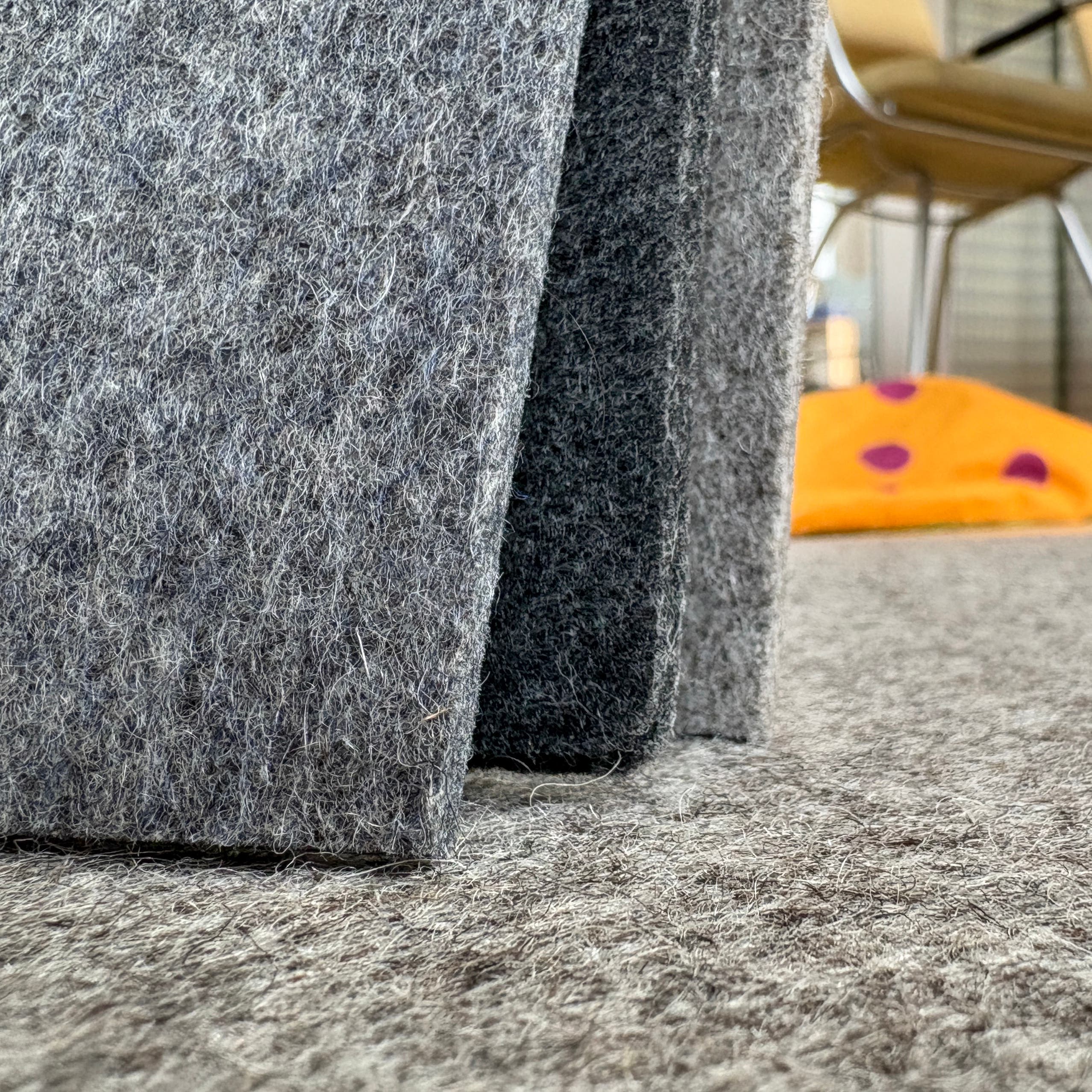
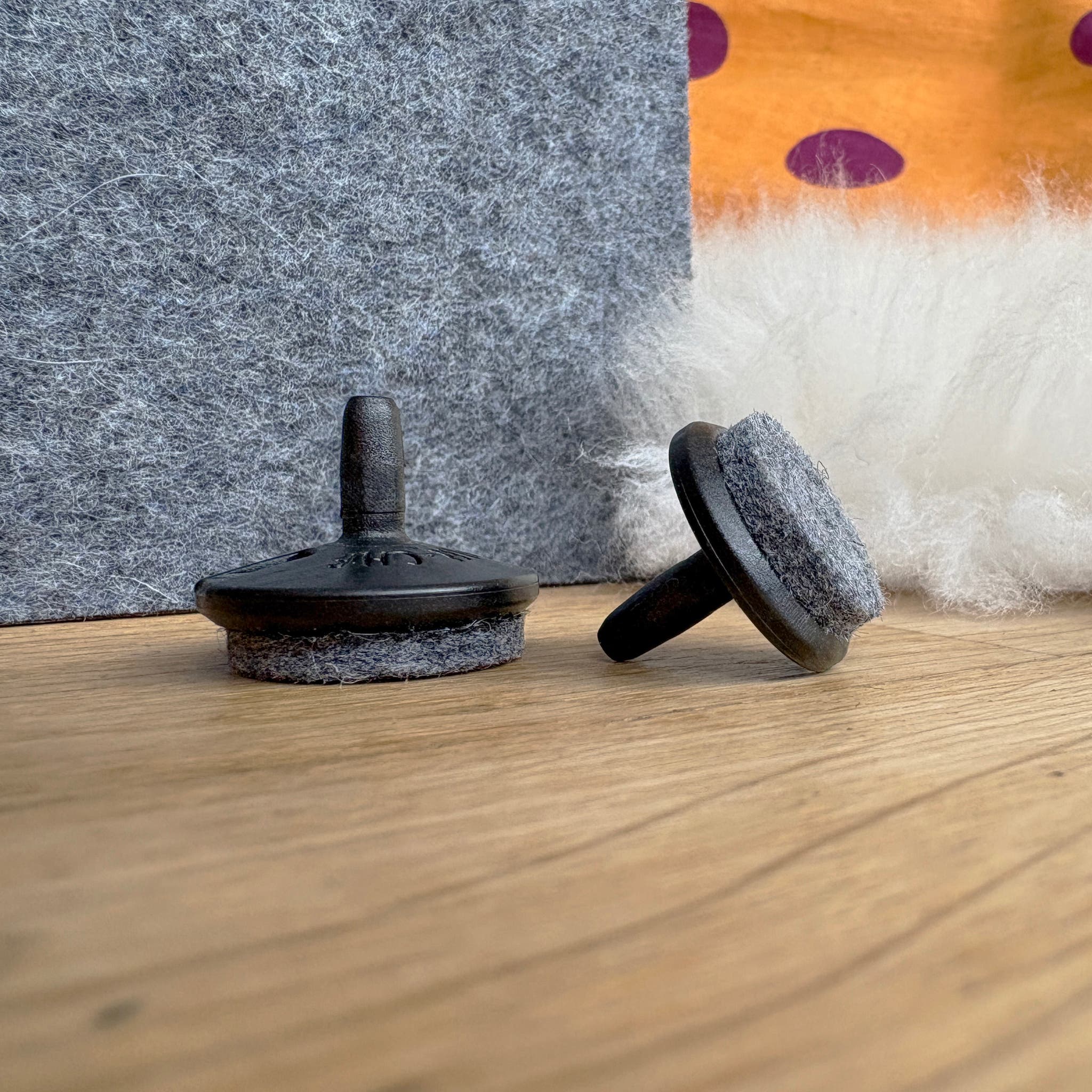
For our in-house manufactured furniture glides, we primarily use wool felt. It combines a soft and floor-friendly felt surface with high durability and a long lifespan. The wool felt retains its shape and softness over time and is vibration welded directly to the plastic, creating a permanent bond without adhesive. For us, feel, functionality and long-term quality outweigh the lower cost of synthetic felt.
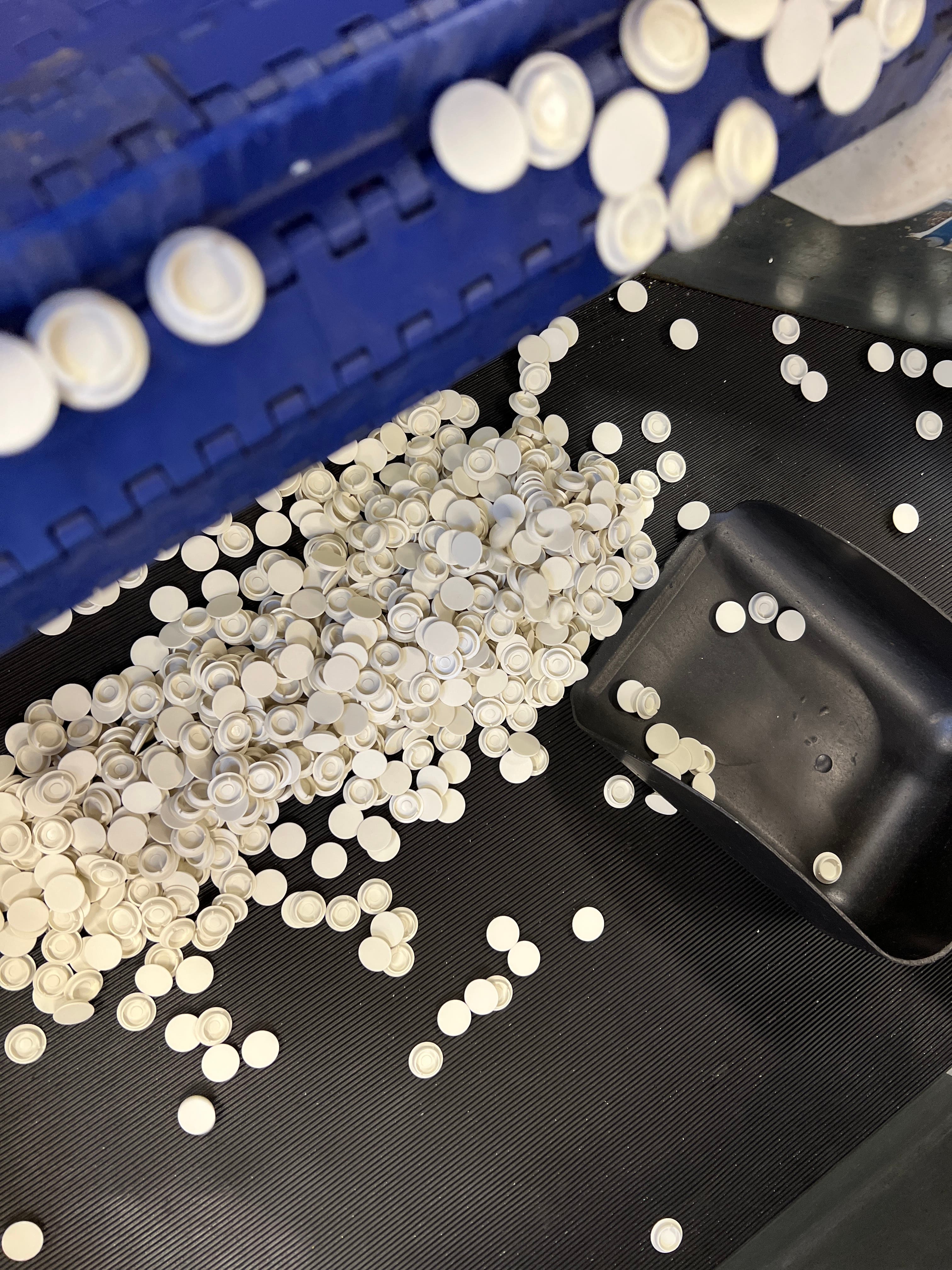
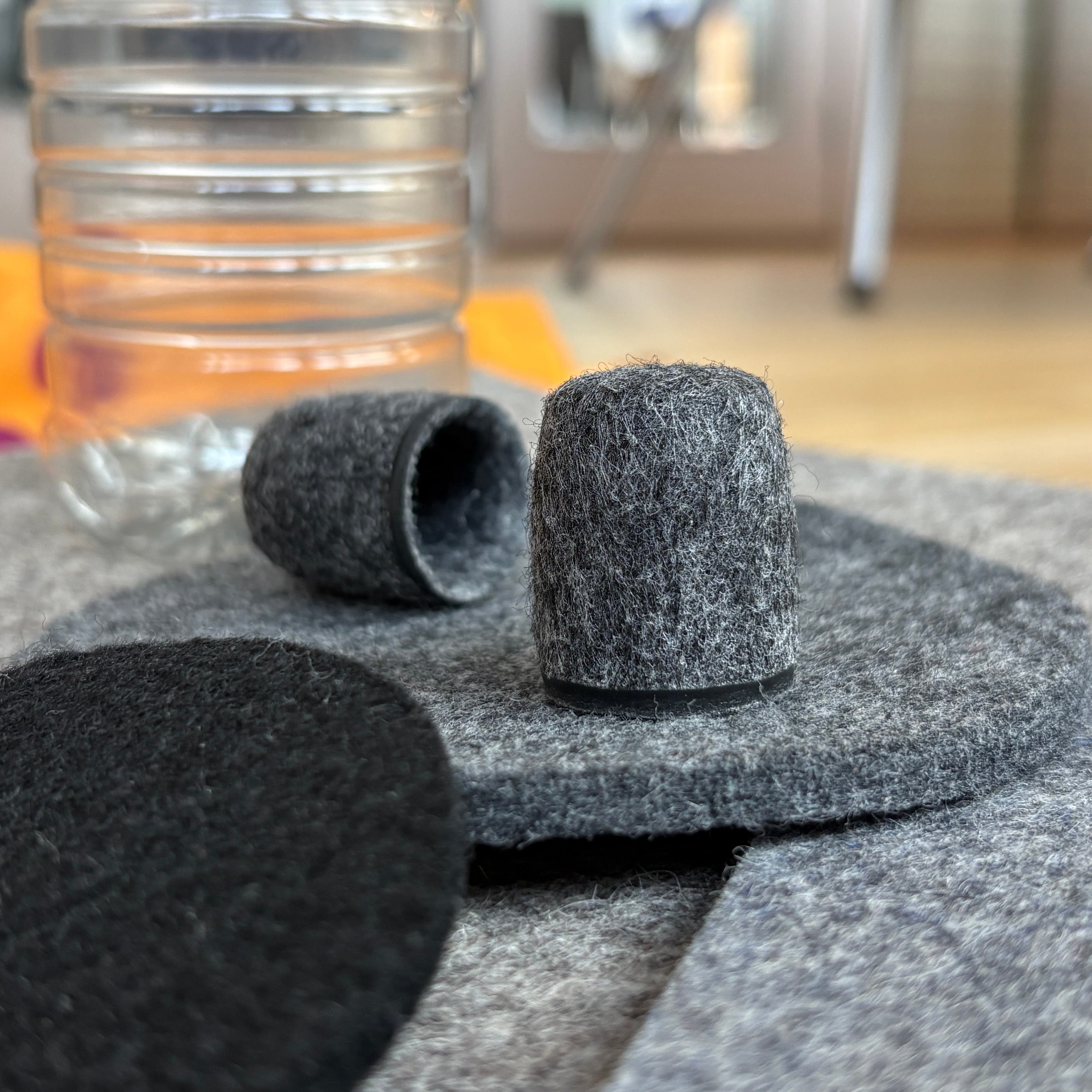
We also manufacture a popular foot cap made entirely from PET/rPET, containing 50% PET and 50% recycled PET. The material offers a durable, uniform and dimensionally stable product, ideal for frequent use.
Wool felt with long lifespan
Natural fibres with high density
Our wool felt is made from natural, renewable wool fibres that are felted and fulled to form a dense and stable material. The high density helps the felt retain its shape, softness and resilience over time.
Benefits
- High durability
- Natural, renewable fibres
- High density and good dimensional stability
- Soft and gentle on floors
- Maintains its properties over time
Things to consider
- Natural materials may vary slightly
- The properties of the felt depend on its quality and construction
PET felt
Durable and dimensionally stable
PET felt is a dense synthetic polyester felt. As a thermoplastic material, PET can be heat-treated to increase stiffness and dimensional stability. PET may be made from virgin material or recycled rPET, providing a more resource-conscious alternative while retaining the durability of PET felt.
Benefit
- High durability
- Consistent and stable material structure
- Can be thermoformed
- Suitable for frequent use
Things to consider
- Fossil-based raw material
- We use a PET felt containing 50% recycled rPET
Polypropylene felt
Lightweight material with good chemical resistance
Polypropylene felt (PP) is a lightweight synthetic material with very low moisture absorption and good resistance to many chemicals. It can be used where low weight needs to be combined with a uniform and dimensionally stable felt. Its durability depends on the felt's density and construction and is generally lower than that of polyamide.
Benefits
- Low weight
- Uniform material structure
- Can be thermoformed
- Very low moisture absorption
- Good chemical resistance
Things to consider
- Fossil-based raw material
- Lower durability than PA
- Durability varies depending on quality, density and construction
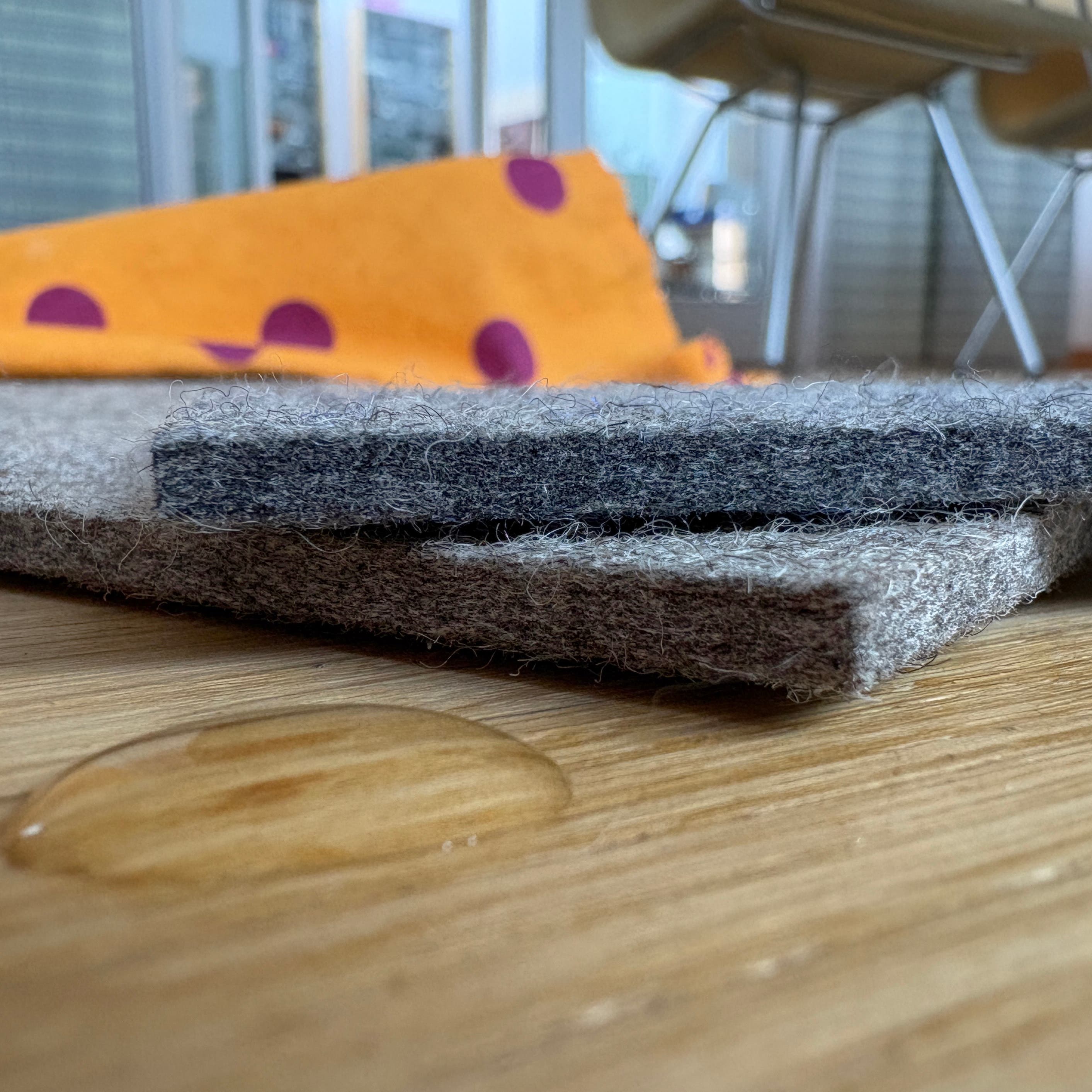
Polyamide felt
Durable felt for heavy-duty applications
Polyamide (PA/nylon) felt is characterised by high wear resistance and good mechanical durability. The material is therefore well suited to applications where the felt is exposed to high levels of friction and abrasion. Polyamide absorbs more moisture than materials such as PP, which may affect its properties and dimensional stability.
Benefits
- Very good wear resistance
- Withstands high mechanical stress
- Can be thermoformed
- Long service life in demanding applications
Things to consider
- Fossil-based raw material
- Higher moisture absorption than PP
- Generally more expensive than PP